


Why This Personal Blog? Moving Beyond Package Tourism
Arriving from Austria with a disciplined approach to the mountains and regular transport timetables, travelling in France can be both enchanting and a bewildering logistical challenge. France has an extensive rail network and spectacular natural heritage, but commercial tourist information is saturated with ready-made packages and unjustified extra costs.
To plan your budget, compare tickets available for your dates, discount-card conditions and alternative routes. An open mountain pass may avoid a toll tunnel but sometimes adds time and fuel costs; savings depend on your itinerary.
In July 2021, in a hurry to reach the Maurienne valley from Italy, I paid €53.50 to drive through the Fréjus road tunnel: 13 kilometres of stifling concrete. Two days later, I took the Col du Mont-Cenis (2,081 m): a free, beautifully surfaced road beside a turquoise lake and herds of Tarentaise cattle. Forty extra minutes, €54 saved and one of the finest memories of my life. That is exactly the approach you will find here.
Five Major Itineraries in Detail
These routes offer day-by-day stages and indicative budgets. Check distances, timetables, prices and access conditions for your travel dates:
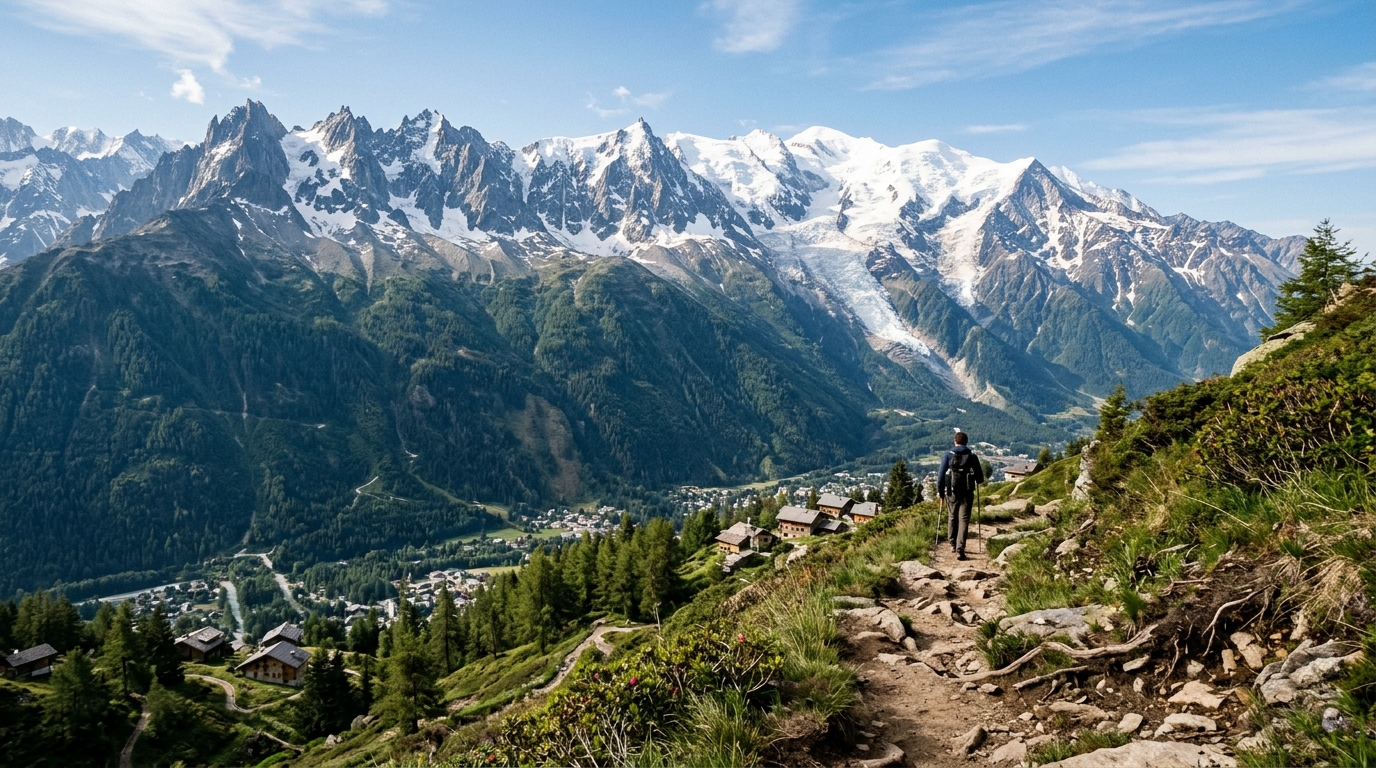
The Grand Tour of the French Alps
The ultimate high-altitude itinerary. From Lake Annecy to the foothills of Mont Blanc, via the highest road pass in the Alps (Col de l’Iseran, 2,770 m) and the fortified town of Briançon. Mountain-refuge sunsets, Beaufort tastings with producers and lesser-known trails in the Queyras.
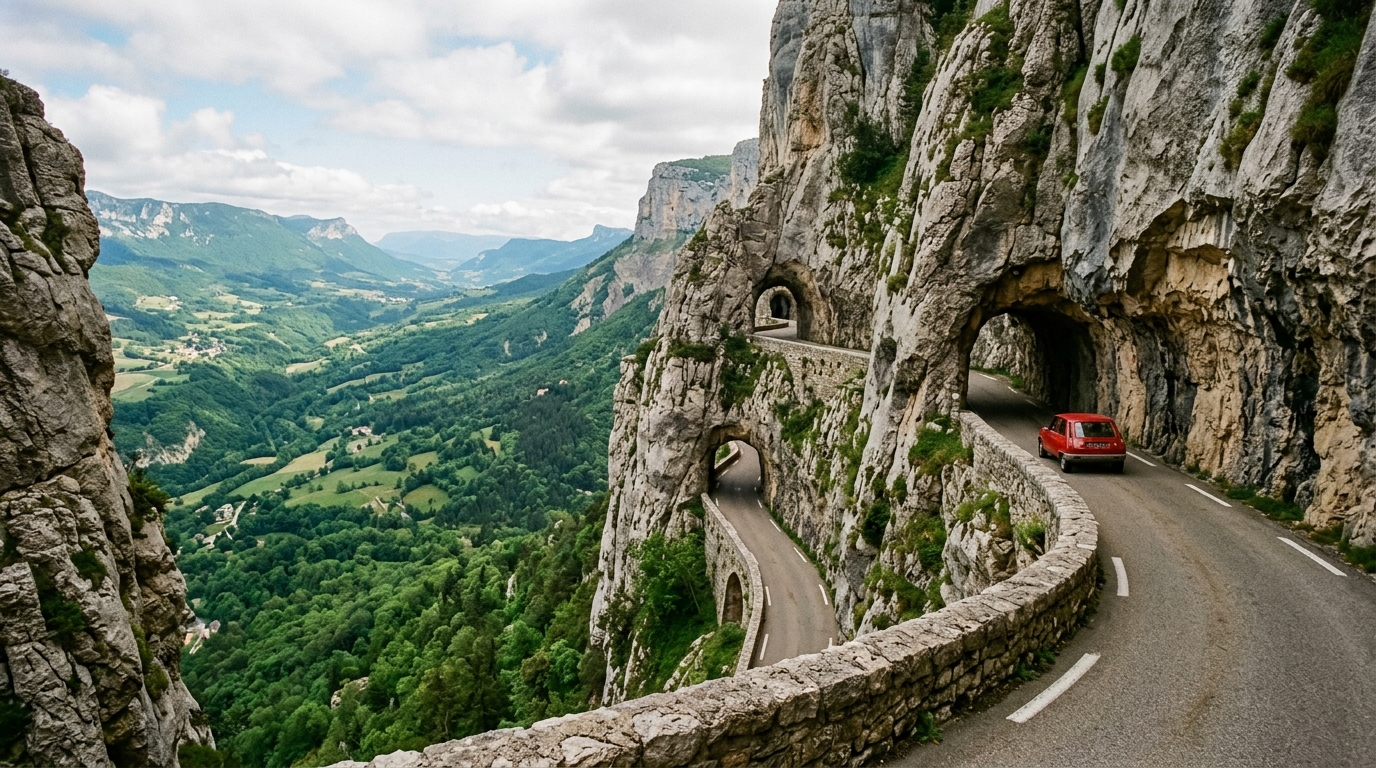
Vercors and Verdon Gorge
Vertiginous roads carved into the limestone of the Vercors, the emerald waters of Lake Sainte-Croix and the spectacular Route des Crêtes above Europe's largest canyon. Ideal for scenic driving and kayaking enthusiasts.
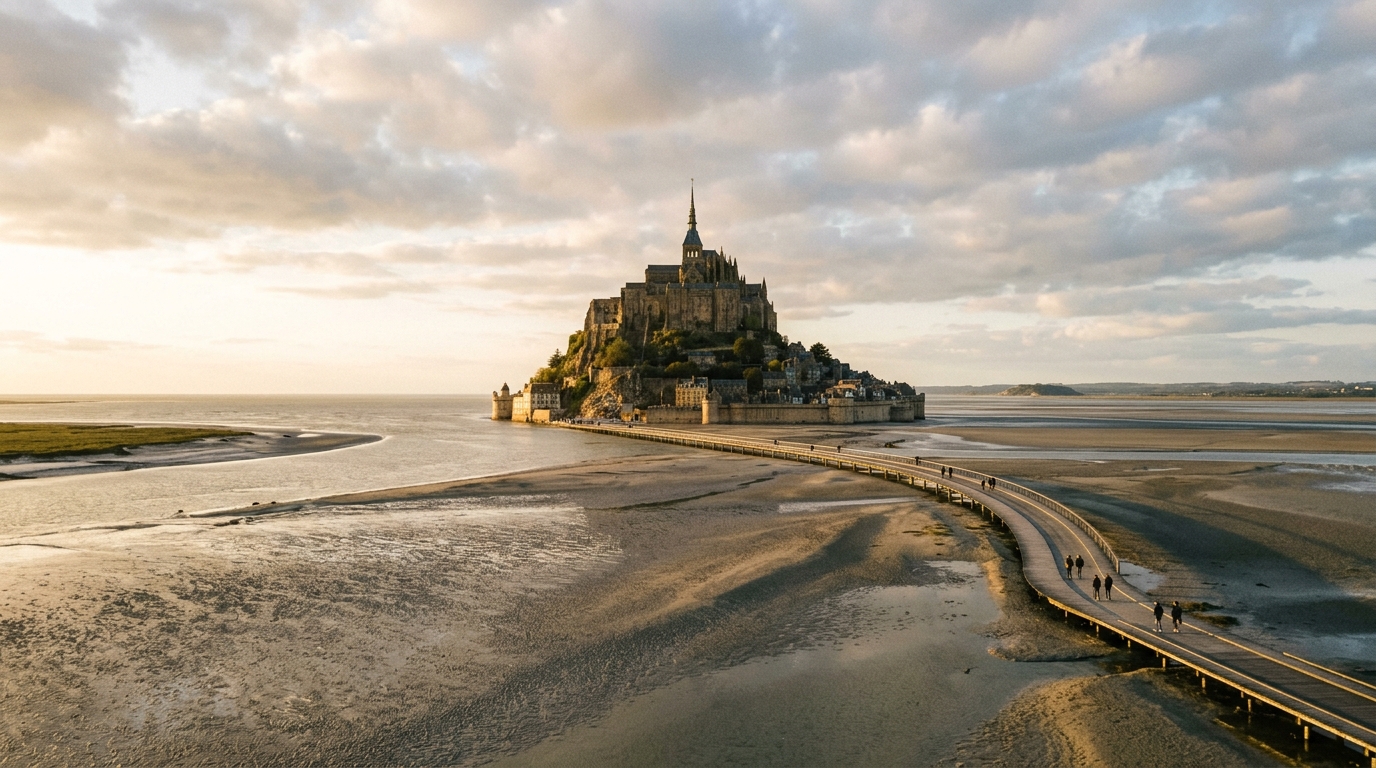
Paris, Normandy and Mont-Saint-Michel Bay
From Rouen's Gothic cathedral to the majestic chalk cliffs of Étretat. My approach to visiting Mont-Saint-Michel abbey at dusk, away from tourist coaches and in tune with the Atlantic tides.
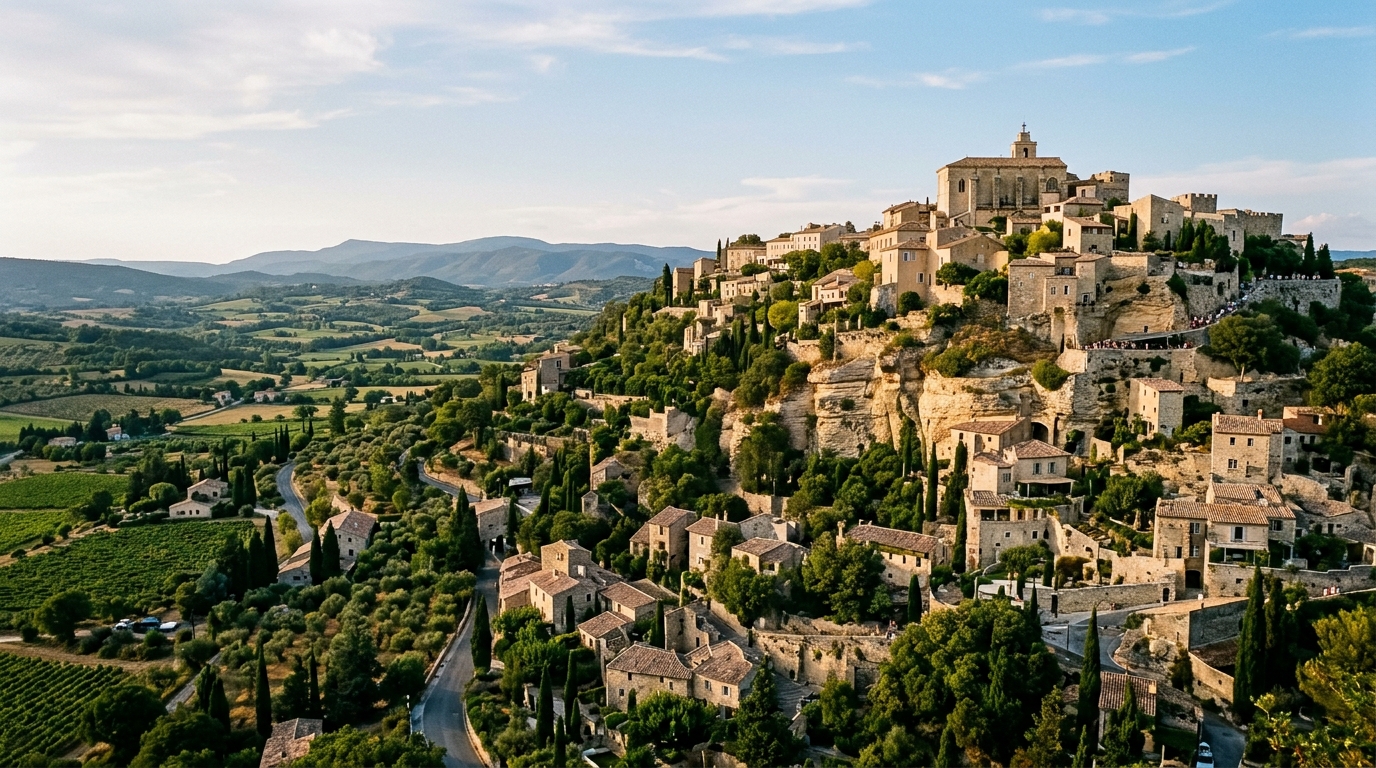
Provence and the Authentic Côte d’Azur
Discover inland Provence away from the crowds: dry-stone villages in the Luberon, trails above the turquoise waters of the Calanques, and the Riviera by TER regional train rather than overpriced taxis.
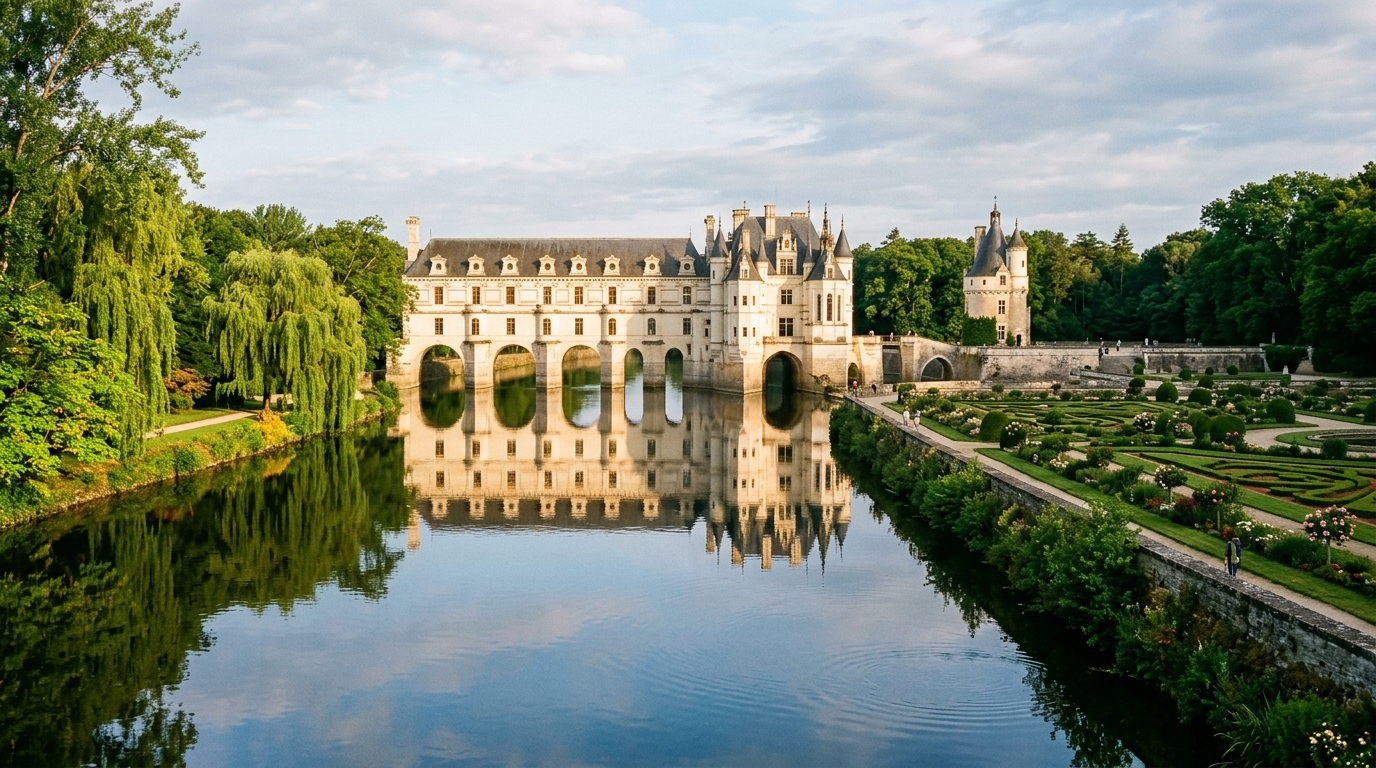
Cycling the Loire Valley
Follow France's last wild river, taking advantage of free bicycle carriage on TER trains. Enjoy an intimate visit to Chenonceau and nights in cave guesthouses.
How Much Does a Trip to France Really Cost?
Here is a realistic comparison of average daily spending per person, based on my expense records from 2024–2026:
| Expense Category | Hiker / Budget | Balanced Comfort | Character Hotels |
|---|---|---|---|
| Accommodation (per night) | €28–€42 (refuge, hostel) | €65–€95 (guesthouse, 3-star) | €140–€220 (manor house, 4-star) |
| Daily Transport | €15–€25 (TER with discount card) | €30–€45 (TER + local bus / car) | €60–€90 (SUV rental + tolls) |
| Food & Drinks | €18–€26 (markets, picnic) | €34–€48 (bistro lunch menu) | €75–€130 (fine dining) |
| Activities & Visits | €0–€12 (hikes, parks) | €15–€25 (châteaux, museums) | €35–€60 (private tastings) |
| Total per day / person | 61 € – 105 € | 144 € – 213 € | 310 € – 500 € |
For a detailed analysis of SNCF discount cards, free-flow motorway toll pitfalls and the best seasons for Alpine passes, read my detailed guide to budgets and transport in France.
A question about your itinerary?
Send me your planned stops and the point you are unsure about: the order of visits, the pace of the trip or transport options to compare. I offer free advice by email, subject to availability.
No payment or subsequent purchase is required. Find out how the free advice works or use the form below.